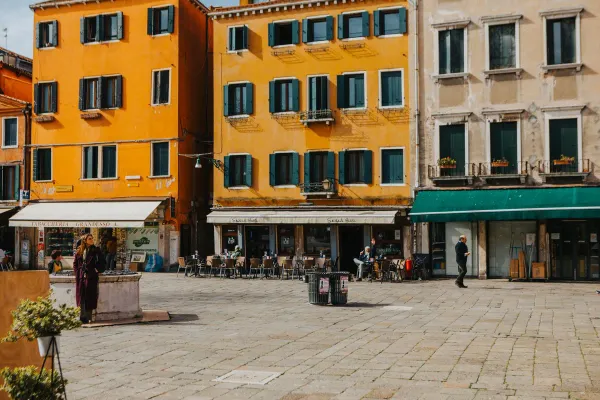
dispiacere
to be sorry
verb dee-spyah-CHEH-reh Rare
Origin: From Latin displacere (to displease), from dis- + placere (to please).
Also means
to displease
Usage Note
Dispiacere works like piacere — it is an impersonal verb inflected for the thing that displeases, not the person: mi dispiace means 'I'm sorry' (literally 'it displeases me'). The auxiliary is essere: mi è dispiaciuto molto (I was very sorry about it). Never say sono dispiaciuto as the main form; use mi dispiace instead.
Examples
"Mi dispiace moltissimo per quello che è successo."
Natural Translation
I'm very sorry for what happened.
Literal Translation
To-me displeases a lot for what happened.

Free starter pack
Building your Italian vocabulary?
Get the 100 most common Italian words as a free PDF — one email, no spam.
Related Words
Explore Italian by topic

ItalianNow
5 min read